
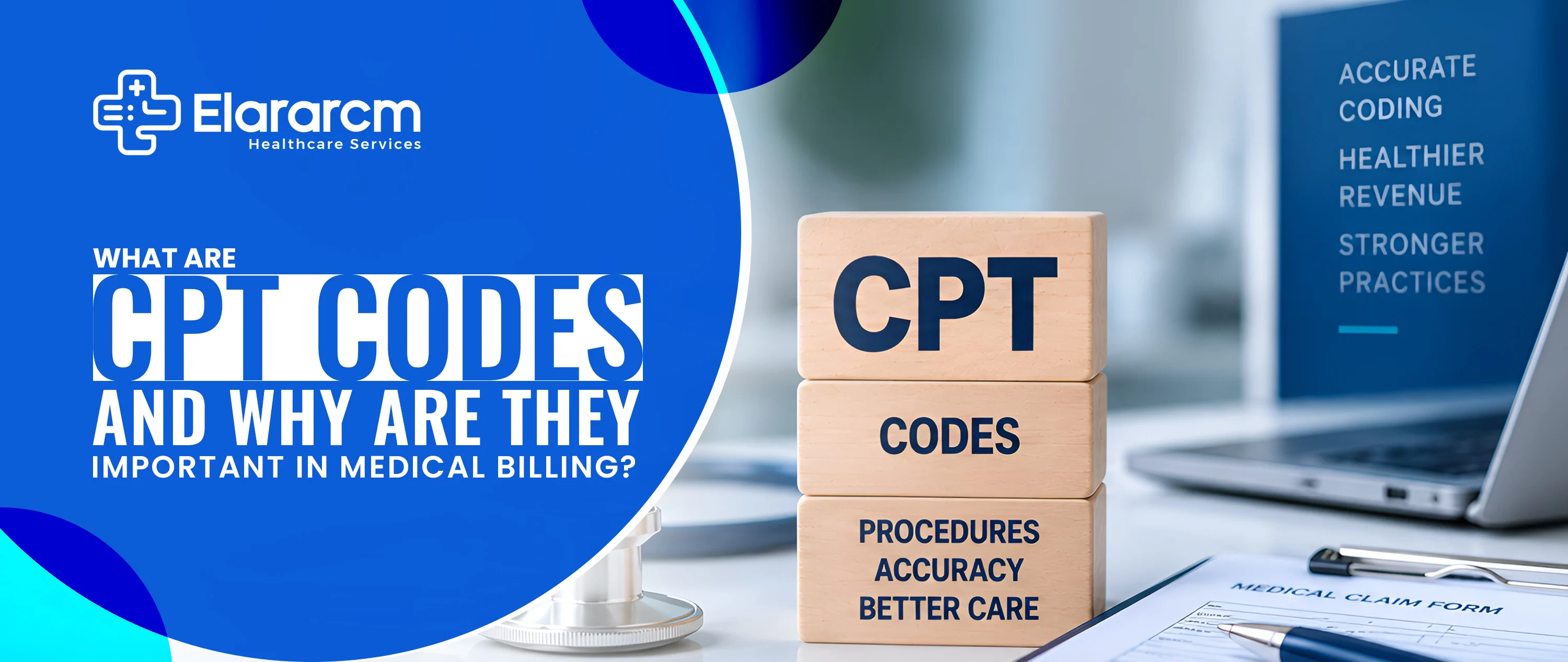
Healthcare providers have to process billing using the right medical coding every time a patient visits their practice. CPT codes are a big part of how practices are reimbursed for the services they provide. Skipping this step can cause insurance companies to reject your claim, and you can lose a lot of revenue.
Current Procedural Terminology is a set of standardized codes that are used to describe a specific medical, surgical, and diagnostic service a doctor provides. Have you ever seen a five-digit number on your medical bill after visiting your doctor? That's a CPT code doing exactly what it's supposed to be.
What Is the Meaning of a CPT Codes?
CPT Code is a five-digit number that is used to represent a specific service or procedure. Instead of writing about the service provided in a log form, a coder enters the matching number, and the insurance company instantly understands everything.
The American Medical Association maintains these codes and updates them every year. This is why practices must constantly update their coding system since a code that is used to describe a service throughout the year might be replaced or redefined the next year.
Why Is CPT Codes Very Important in Billing?
Without CPT codes, every claim would need a written explanation from the insurance company. Also, payers would have no fast way to process every claim, and there would be a lot of errors.
Current Procedural Terminology gives billing a common language that everyone involved will understand. For example, when a clinic in Ohio and an insurance company in Nevada look at the same code, they know what it means. This shared understanding makes the entire process faster and better for everyone.
What Happens if the Wrong Code Is Entered?
Using the wrong code during the billing process can cause a normal claim to be denied by the insurance company. This can be because the code does not match the diagnosis or describes something that never happened when the patient visited.
When a claim is denied, the practice has to check for the cause and resubmit it, which means waiting for a long time to receive payment from the insurance company.
How Is a CPT Codes Different from an ICD Codes?
A CPT code describes the precise procedure or service provided by a healthcare provider. An ICD codes, on the other hand, explains why the procedure or service needs to be done. They almost always show up together on a claim. When a claim does not have both codes, it will be flagged because the insurer has no context for why a procedure happened in the first place.
What Are the Different Types of CPT Codes?
Three categories explain the reason some codes are very different from others. The first category covers most everyday stuff: office visits, surgery, lab work, the bread and butter of daily billing. The second category is optional and tracks performance measures and is mostly for quality reporting. The third category covers newer procedures and technology that have not fully made it into Category I.
How Can Practice Reduce Their Coding Errors?
Healthcare practices can reduce coding errors by updating their coding system according to the updates provided by the regulatory bodies. Using outdated codes is one of the common reasons many claims are denied by insurance companies, and it can be avoided by paying attention.
Providing regular training for your coders is also an important step, especially when you are hiring someone who is new to the billing industry. Using software with built-in error checks can also identify coding errors before a claim is submitted to the insurance company.
In Conclusion
CPT codes might feel like a small, technical detail in the billing process, but they are very important if you want to have a claim approved. One wrong digit can delay a payment or make your billing staff spend hours of time correcting the mistakes. Using the right code is essential for keeping the whole billing cycle seamless and ensuring faster reimbursement.
Elara Healthcare Services is a billing company that helps practice submit accurate claims by using the right codes. Our team of experts ensures your billing process is faster, without problems or mistakes that could have been avoided.