
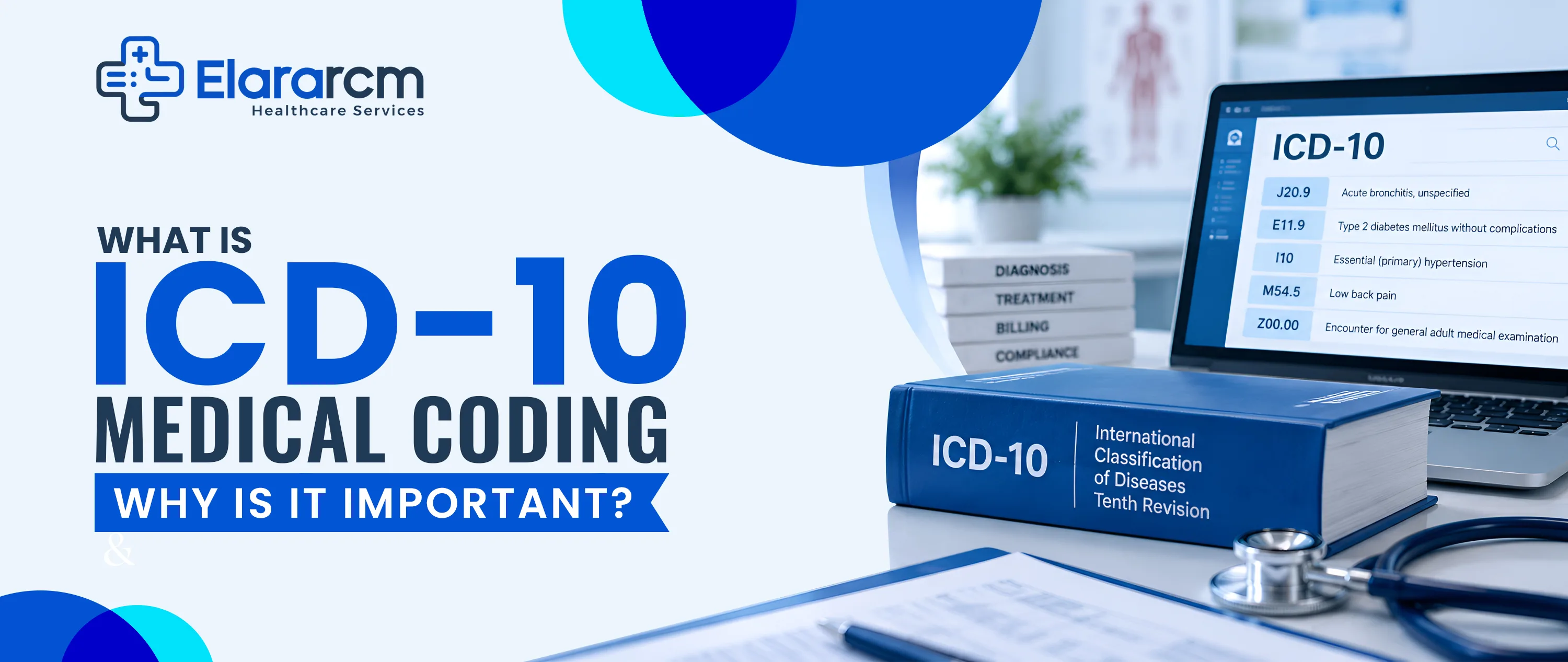
New ICD-10-CM Updates Will Be Effective on October 1, 2026!
One thing all healthcare providers and practices are aware of is medical coding. Over the years, the scope of coding has changed drastically with the introduction of new codes almost every year.
In 2015, something shifted in the U.S. billing process with the introduction of ICD-10 CM codes. International Classification of Diseases, 10th Revision, Clinical Modification, became a part of the US healthcare billing process. In the past 10 years, there have been various revisions of ICD codes, imposing the need to adopt the changes for effective billing.
In 2026, there are new revisions that are important for healthcare providers and practices. In this blog, you will get all the information related to ICD-10-CM and the upcoming updates. Continue reading to make your coding process up-to-date and efficient.
What’s the Origin Story of ICD-10 Codes?
The tenth version of ICD codes marked a major improvement in the coding system. It brought new codes, constituting a number of more than 70,000 codes. Under this new system, the codes were more detailed for a wider range of rendered medical services.
It brought improved medical coding to the healthcare billing industry, adding more specificity to every medical specialty. Previously, ICD-9-CM codes were widely used, which changed on October 1, 2015.
ICD-9 vs. ICD-10
ICD-9-CM was the standard diagnosis coding system used before 2015 in the United States. On October 1, 2015, a new coding system was adopted by the US, namely ICD-10-CM. With the change in the system, there was an introduction of new codes and different ways to approach coding.
| FEATURE | ICD-9-CM | ICD-10-CM |
| U.S. Use | Before October 1, 2015 | From October 1, 2015 |
| Code Format | 3–5 characters | 3–7 characters |
| Number of Codes | ~14,000 | 70,000+ |
| Specificity | Less detailed | More detailed |
| Code Type | Mostly numeric | Alphanumeric |
| Current Status | Replaced | Current U.S. standard |
What Are the New ICD-10 Updates, and How Will They Affect Your Practice?
ICD-10-CM gets updated annually with important changes in how healthcare providers handle their coding process. For FY 2027, the updated version of ICD-10-CM will be effective from October 1, 2026. These updated rules will be applicable till September 30, 2027.
For 2027, the ICD-10-CM update includes the introduction of new diagnosis codes, deletion of some codes, and revision of certain code titles.
| UPDATE | FY 2027 |
| New diagnosis codes | 190 |
| Deleted codes | 30 |
| Revised code titles | 4 |
This year’s updates add more precision to the coding process to improve diagnosis coding. Major changes include new codes related to pregnancy and obstetric conditions, toxic effects and exposures, neoplasms, pelvic diseases, cardiomyopathy, odontogenic sinusitis, and other conditions.
More things change when new codes come into play. The updates also change the coding guidance and instructional notes. Similarly, this year as well, healthcare providers would have to follow coding guidelines, the Alphabetic Index, the Tabular List, and applicable instructional notes to ensure accurate coding during the billing process.
Why Do Healthcare Providers Need to Prioritize ICD-10 Codes?
It’s important for healthcare providers to prioritize the coding updates in ICD-10-CM. New updates change more than just the list of codes. They mean providers have to change their entire medical billing process, which includes clinical documentation, coding workflows, claim processing, and more.
Healthcare providers also need to upgrade their EHR, revise their billing systems, and train their billing staff.
Prioritizing ICD codes means healthcare providers prepare themselves to deal with the changes. Staying updated brings the opportunity to reduce coding errors, improve documentation, decrease billing disruptions, and make revenue cycle management efficient.
How to Incorporate ICD-10-CM Updates in the Current Billing Process?
As healthcare providers, staying current with the changes is just the beginning. The real task is incorporating those changes into the operational process.
No. 1 – Identifying if the changes apply to your medical specialty or specialties. The impact of ICD-10-CM updates can vary depending on the conditions and diagnoses commonly treated by a healthcare practice.
No. 2 – Ensuring your documentation step is at par with the new updates. New and more specific codes may require providers to document sufficient clinical information to support the appropriate diagnosis.
No. 3 – Along with codes, update your technology and EHR systems as well. This means adding new codes to the system, updating code libraries, and upgrading coding tools to match the current coding requirements.
How Medical Billing Services Simplifies Keeping up with Coding Updates?
Medical billing services companies like Elara Healthcare Services help healthcare providers adjust to the changes.
- We help you stay updated with ICD-10-CM and all other coding and billing changes.
- Our team of experienced coders help you improve your coding accuracy by selecting appropriate diagnosis codes based on the provider’s documentation, reducing coding errors.
- We maintain coding accuracy to increase clean claims rates and prevent denials caused by incorrect or outdated codes.
- Our billing specialists help you identify documentation gaps that may prevent providers from using the most specific code available.
- Elara RCM works on improving your revenue cycle efficiency with proper ICD-10-CM coding support, leading to faster reimbursement.