Simple Guide to RCM Automation and Why It Makes Healthcare Billing So Much Better
Operating a healthcare practice involves two equally important tasks: taking care of the clients and ensuring that payments come through. Most medical practices excel at the former. It is the latter task that starts causing problems in the shade.
Revenue cycle management can be defined as the financial process that bridges the gap between patient treatment and payment. Each of its stages, from pre-visit verification of the insurance details of the patient to collection of the remaining balance, is a part of the revenue cycle.
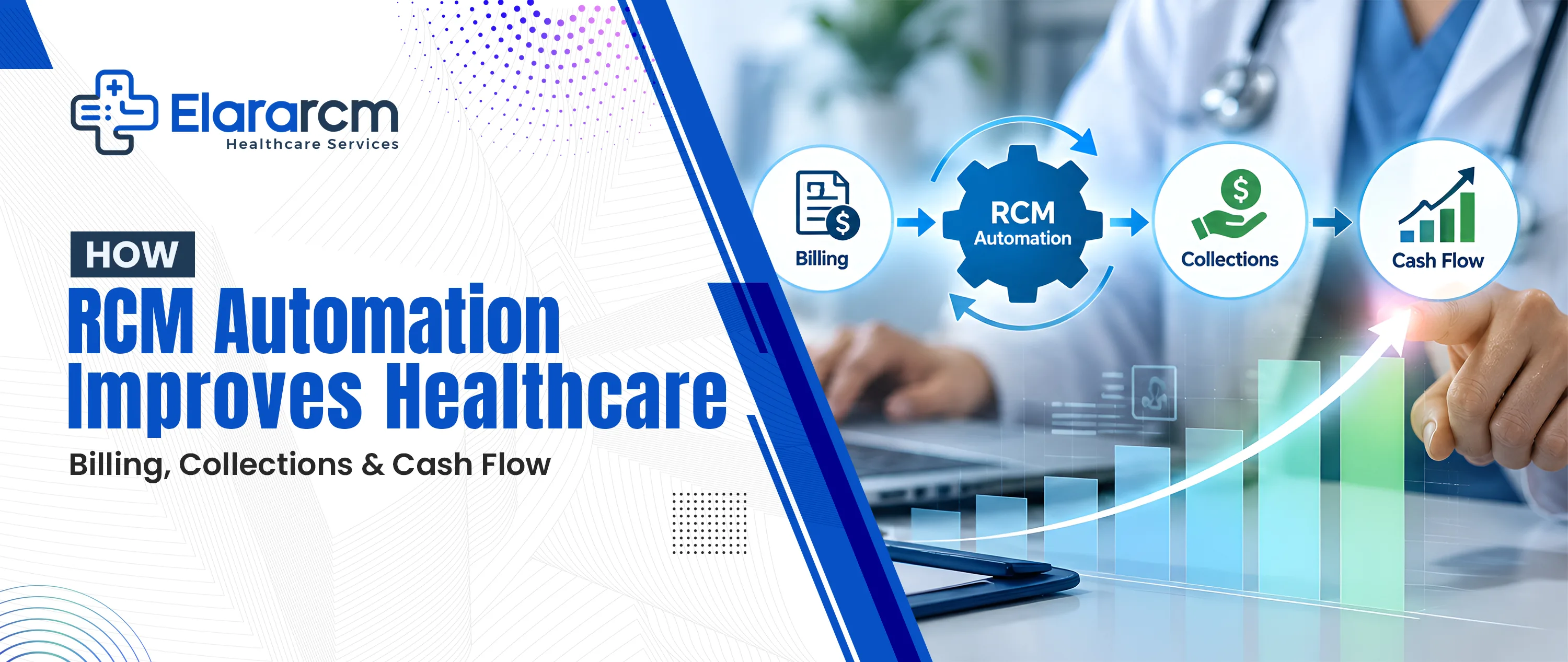
When performed manually, the revenue cycle generates all sorts of mistakes, and claims are rejected with payments, delayed. Automated revenue cycle management is the solution to this problem. Here’s all you need to know about RCM automation:
What Is RCM Automation in Simple Terms?
RCM automation is the process through which the recurring billings processes that are currently done manually and consume a lot of time such as verification of eligibility, submission of claims, payment processing, and denial management can be done automatically by software to ensure that the correct processes are performed promptly and effectively; hence, ensuring you get paid correctly every time.
Imagine a situation where a particular process takes twenty minutes to be performed by a person but only takes two seconds to be completed by an automated system. This can make all the difference in the world of billing management, doesn’t it?
How Does RCM Automation Improve Cash Flow?
RCM automation enhances cash flow by making the whole process in the billing cycle quicker and more accurate; that is, the claims are sent out faster, any denial issues are detected earlier, and the payments come in sooner than manual operations would.
A certain practice saw its average accounts receivable days drop from 137 to 70 following the implementation of an automated system. This is not just an enhancement in terms of efficiency; this is revenue that the practice was owed being delivered in less than half the time.
What Billing Tasks Can RCM Automation Handle Perfectly?
RCM automation will be able to manage the most time-consuming billing activities, such as eligibility check, claim submission, payment posting, denial management, and patient balance reminders, and allow billing professionals to deal with the part that requires their skills.
Let us see what is done by the system:
- Eligibility checks are automatically performed prior to each visit. Which means no manual logging into portals and coverage surprises at the front desk.
- Claim submission occurs on the same day, and there will be no pile of papers that needs processing.
- Payment posting correlates remittances with corresponding claims automatically, preventing any underpayments from being missed.
- Denial management highlights denied claims, identifies the reason, and, in many cases, resubmits the corrected claim automatically.
- Patient bill reminders are automatically sent via text or email; improving the rate of collection without additional burden.
How Does RCM Automation Reduce Claim Denials?
Automated systems prevent claim denials because they can identify problems with the claim prior to submitting it, rather than having to deal with the problem once the claim has been denied, which will make it difficult and costly to correct it.
The rate of claim denials is between 5% and 10% among health care facilities. On average, it costs about $25 to correct each of the claim denials. With the number of claims being sent out per week reaching the hundreds, it will accumulate pretty quickly. The automated system identifies the issues with each claim prior to sending it in, as it does not meet the payers' requirements.
Can Smaller Practices Go for RCM Automation as Well?
Yes, absolutely! RCM automation does not have to be the privilege of big hospital systems alone. It is now becoming more and more possible for specialty group practices and independent doctors of all sizes to automate their processes hinting at its affordability and worth.
There was a lab that, after automating its revenue cycle, increased its revenues by 24% from money that used to go uncollected through the old process. The success is not dependent on size but process. The small practice with an automated billing system will outperform a bigger practice with manual processes every single time.
How To Know If Your Practice Needs RCM Automation?
When claims are consistently being sent out late, the denial rate is above 5%, your team is devoting lots of hours to performing the same tedious billing activities, or you experience inconsistent monthly cash flow, then your practice may benefit from RCM automation.
These issues do not imply anything dramatic is going wrong; it only means that the billing process is functioning at full manual capacity and hitting its limits. These limits cannot be increased just by hiring more staff.
According to the finance specialists that switched to automating billing, their practice experienced an average 27% decrease in cost-to-collect ratio after applying the automation software. This reduction in cost does not stem from any cost-cutting measures but rather from eliminating inefficiency that the manual process causes.
Elara Healthcare Services helps healthcare practices implement structured, automated revenue cycle management; from eligibility verification and claims submission through denial management and collections.
If your billing operation is consuming more time and producing less revenue than it should, reach out!